National University of Kaohsiung Marks First Anniversary of Industry-Academia Semiconductor Programs, Bridging the Gap from Coursework and Internships to Employment
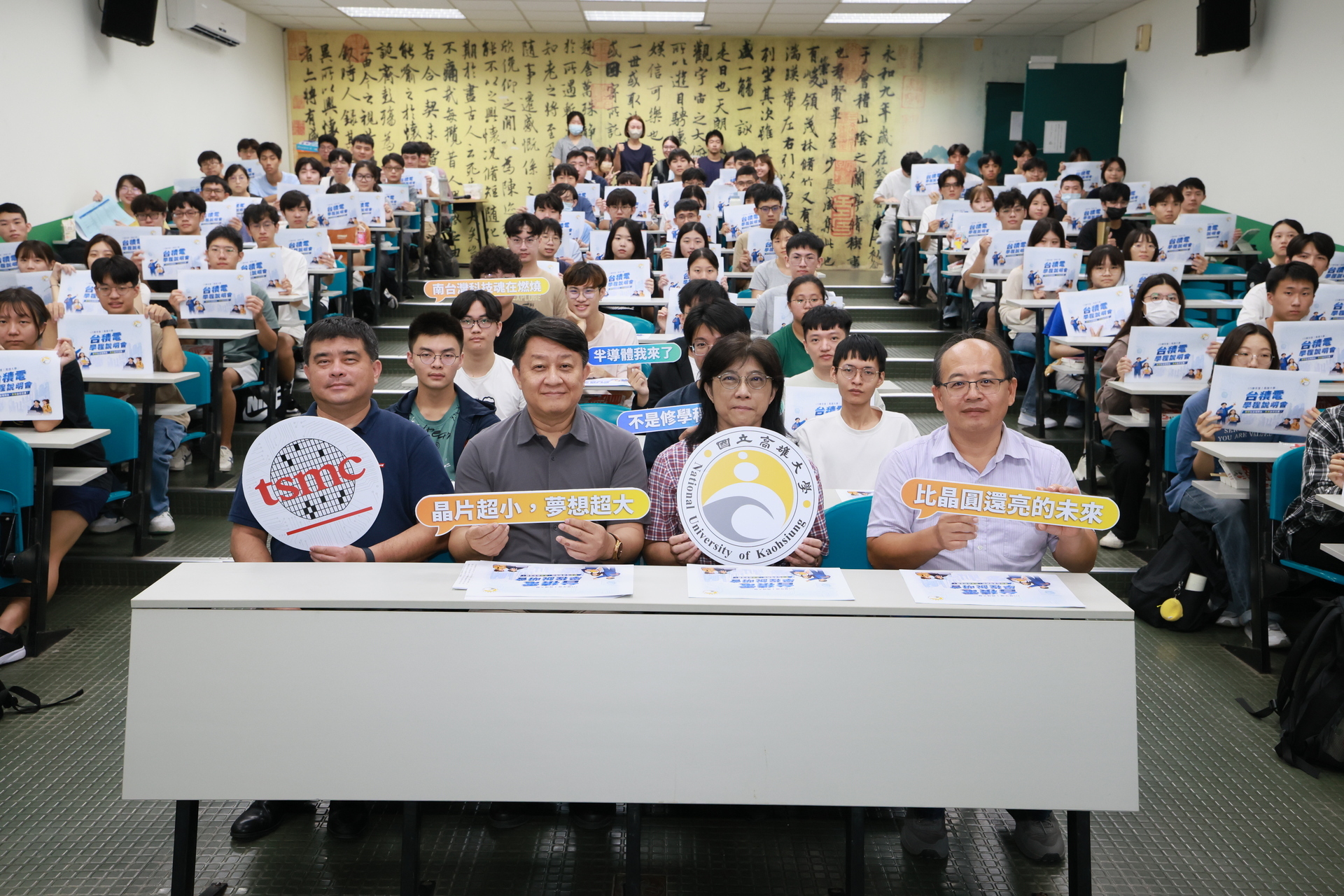
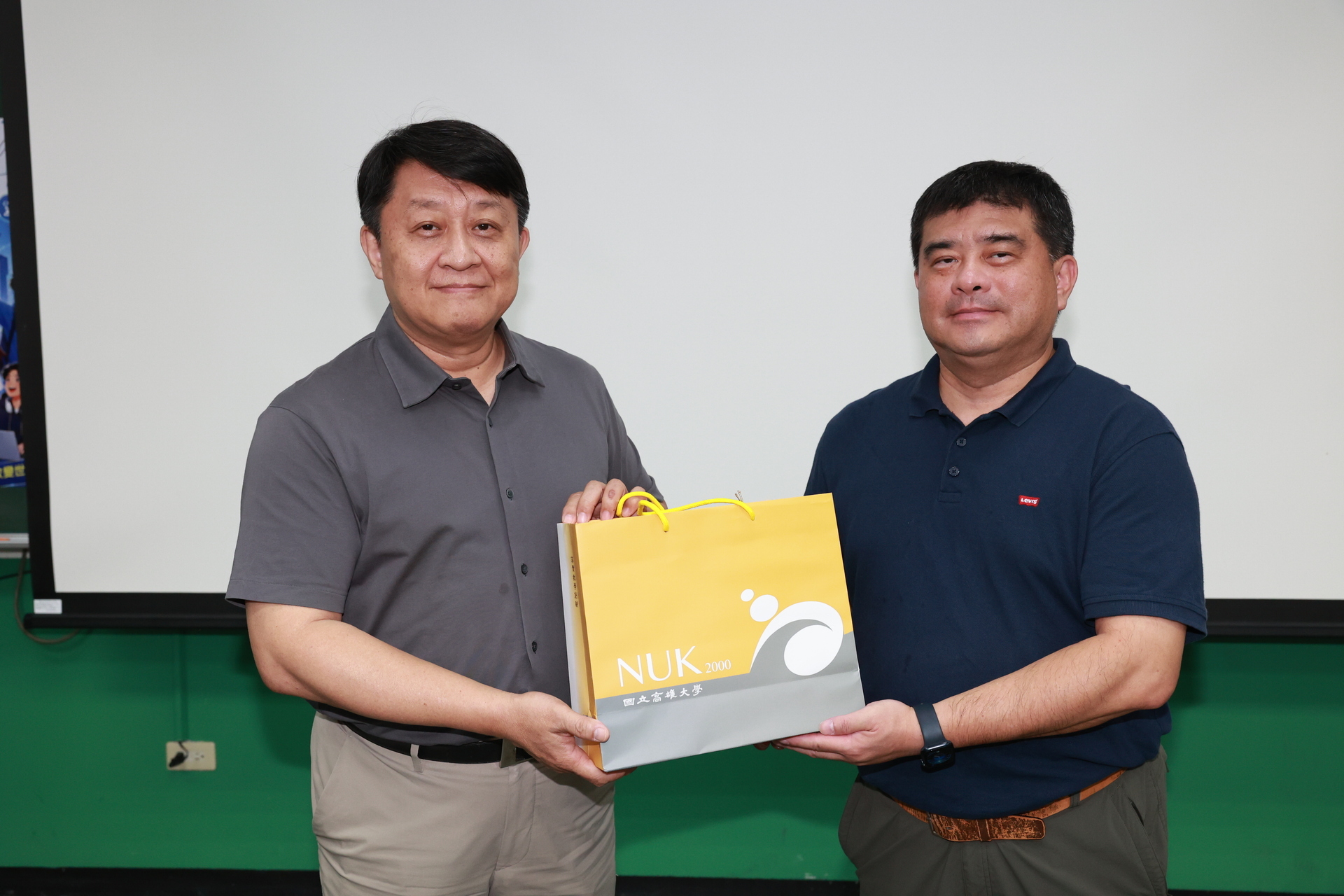
2026-09-08 From taking industry-sponsored courses and gaining hands-on experience through internships to becoming a process engineer after graduation, the first cohort of students in the National University of Kaohsiung (NUK)'s Industry-Academia Semiconductor Programs has begun translating classroom knowledge into practical experience and career opportunities, marking the programs' first anniversary. In collaboration with Taiwan Semiconductor Manufacturing Company (TSMC), Zhen Ding Technology Holding Limited, and Orient Semiconductor Electronics (OSE), NUK has established partnerships spanning the semiconductor industry value chain, including wafer manufacturing, printed circuit boards (PCBs) and IC substrates, as well as semiconductor packaging and testing. On September 7, NUK held an orientation session for the new academic year, officially launching the second year of its semiconductor talent development initiative and further strengthening the pathway from academic learning to employment in leading industries.
NUK President Chen Chi-Jen stated that as southern Taiwan's semiconductor industry cluster continues to expand, universities must go beyond classroom instruction to ensure that students understand industry needs and gain exposure to real-world working environments while still in school. NUK has offered its Semiconductor Manufacturing Program since the 2018–2019 academic year. In recent years, it has further expanded its industry partnerships by integrating TSMC's Semiconductor Program, Zhen Ding Technology's AI Smart PCB Program, and OSE's Packaging and Testing Program. Together, these initiatives have gradually established an industry-oriented curriculum covering the entire value chain, from wafer manufacturing and PCBs and IC substrates to packaging and testing. This integrated approach enables students to understand the different stages of the semiconductor industry while exploring their professional interests and career directions at an earlier stage.
Chen Hsin-Che, Senior Manager of TSMC's Taiwan Human Resources Operations Division, noted that the rapid growth of the semiconductor and AI industries has created an urgent demand for talent. The partnership between TSMC and NUK breaks away from traditional educational frameworks by directly involving industry professionals in curriculum planning. Students enrolled in the program not only gain systematic knowledge of core subjects such as semiconductor manufacturing processes and device physics, but also have priority access to training opportunities at TSMC's New Employee Training Center while still in school. More than just an academic program, it serves as a valuable gateway to the semiconductor industry and a qualification highly regarded by corporate hiring managers.
NUK Vice President for Academic Affairs Wu Sung-Mao pointed out that as Moore's Law slows down, advanced packaging and heterogeneous integration have become essential to sustaining improvements in semiconductor performance. To address increasingly demanding challenges involving high-frequency and high-speed operation, thermal management, and signal integrity, NUK has partnered with leading IC substrate manufacturer Zhen Ding Technology and semiconductor packaging and testing company OSE to launch two specialized programs: the AI Smart PCB Program and the Packaging and Testing Program. Their curricula focus on advanced substrate technologies, IC packaging processes, and system-level testing, allowing students to engage directly with the latest technological challenges facing the industry. Both companies also provide experienced industry instructors and extensive practical resources, giving outstanding students the opportunity to transition seamlessly from graduation to employment.
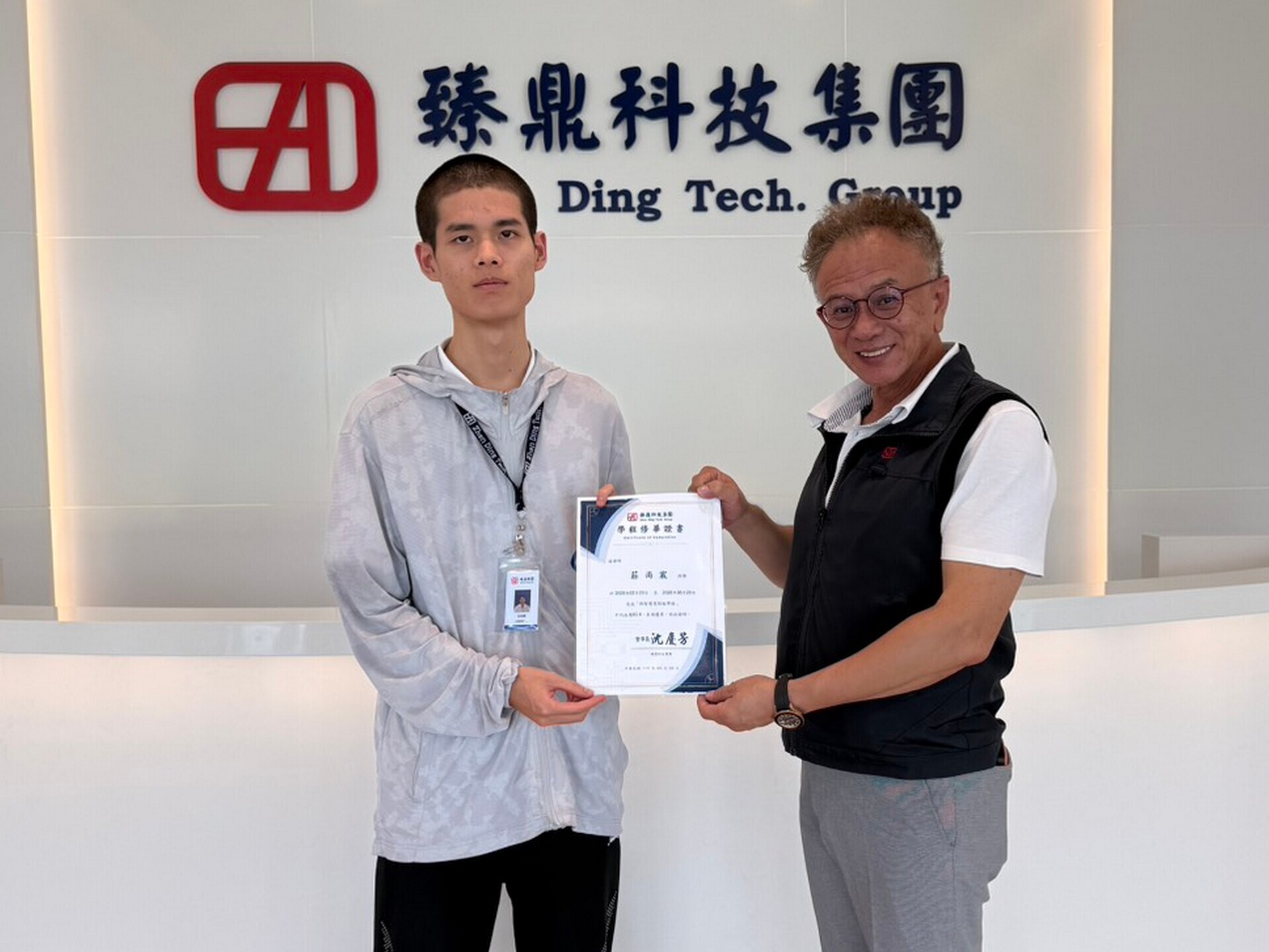
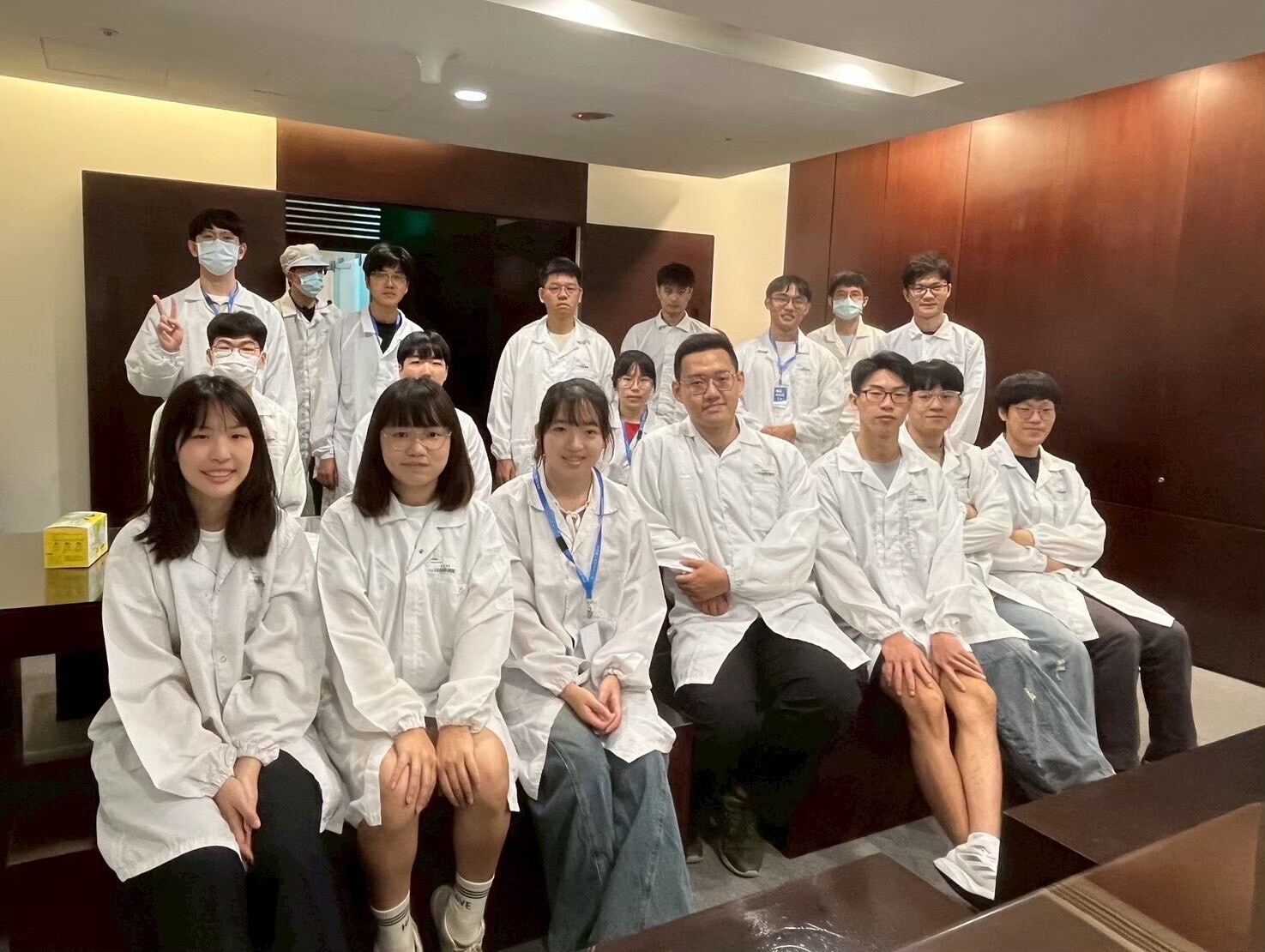
Over the past year, the three industry-academia programs have attracted more than 550 enrollments in total. In addition to on-campus coursework, approximately 150 student participations in practical learning activities have been recorded through corporate visits and training sessions at TSMC's New Employee Training Center. Some students have also completed the programs and received certificates of completion issued by the participating companies. From academic instruction and industry engagement to internships and employment, the achievements of these programs are becoming increasingly evident in students' academic and career development.
Chuang Shang-Chen, a graduate of NUK's Department of Chemical and Materials Engineering, actively participated in the university's industry-academia semiconductor programs during his studies. In addition to completing Zhen Ding Technology's AI Smart PCB Program, he also earned a certificate of completion from TSMC's Semiconductor Program and gained valuable hands-on industry experience. After graduation, he joined Zhen Ding Technology's Flexible Printed Circuit (FPC) Business Unit as a process engineer. His journey, from completing coursework and earning corporate certificates to securing full-time employment, demonstrates how the programs effectively connect academic training with career opportunities in the semiconductor industry.
Li Yi-Ling, a student in NUK's Department of Electrical Engineering, has followed a different learning pathway. During her junior year, she took Introduction to Printed Circuit Boards, a required course in Zhen Ding Technology's program, and also served as a teaching assistant. Meanwhile, she continued to strengthen her professional skills through hands-on work in the university's laboratory. Earlier this year, she participated in NUK's on-campus semiconductor talent matchmaking event, where face-to-face discussions with corporate human resources representatives helped her realize that employers value not only professional expertise but also attitude, communication skills, and a willingness to take initiative in learning. This experience prompted her to reconsider and refine her career preparation strategy. She subsequently secured an internship opportunity at Zhen Ding Technology and completed the internship during this year's summer break. Her experience reflects a progressive learning journey that began in the classroom, continued in the laboratory and through industry engagement, and ultimately extended into the corporate workplace.
**#SDG4 #SDG8 #SDG9 #SDG17 @Office of Research and Development @Advanced Packaging Integration Technology Center & Teaching and Curriculum**